
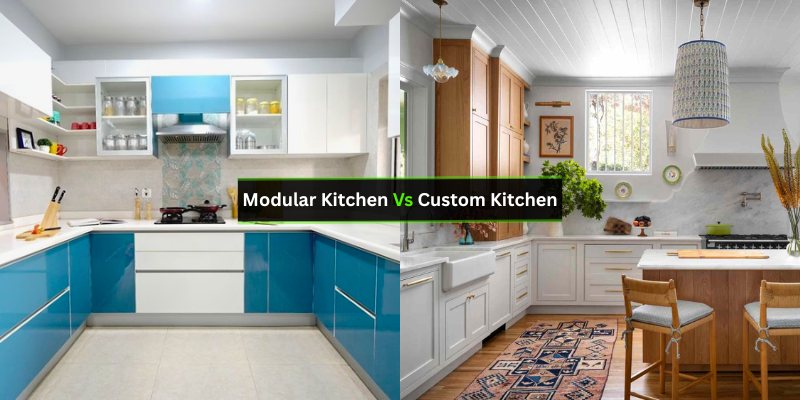
Are you planning to upgrade your kitchen but feeling stuck between choosing a modular kitchen or a custom kitchen? Your kitchen is the heart of your home, and making the right choice can change the way you cook, entertain, and live every day.
Imagine a space that fits your lifestyle perfectly, saves you time, and makes your mornings easier. This decision isn’t just about style—it’s about how your kitchen works for you. Keep reading to discover which option suits your needs best and helps you create the kitchen you’ve always dreamed of.
Modular Kitchen Basics
A modular kitchen uses pre-made units that fit together. It helps save time and space.
Custom kitchens are made by hand to fit your space exactly. They offer unique designs.
Key Features
Modular kitchens have standard parts that are easy to install. Custom kitchens are built on site.
Modular kitchens allow quick changes and repairs. Custom kitchens need more time to update.
- Modular: Easy to assemble and disassemble
- Custom: Designed for specific needs
- Modular: Includes cabinets, drawers, and shelves
- Custom: Can have unique shapes and sizes
Material Options
Modular kitchens use materials like plywood, MDF, and laminates. These materials are common and durable.
Custom kitchens can use solid wood, metal, or stone. You can pick special materials for a unique look.
- Modular: Laminates, MDF, plywood
- Custom: Solid wood, metal, stone
- Modular: Easy to clean surfaces
- Custom: Can use natural and handcrafted materials
Design Flexibility
Modular kitchens offer many design options but follow set sizes. Custom kitchens allow full design freedom.
You can mix and match modules in modular kitchens. Custom kitchens fit odd spaces and special needs.
- Modular: Standard sizes and layouts
- Custom: Tailored to unique spaces
- Modular: Quick design and installation
- Custom: Highly personalized design

Custom Kitchen Essentials
A custom kitchen is designed to fit your space and style perfectly. It offers flexibility to create a kitchen that suits your needs.
Understanding the key elements helps you make smart choices for a kitchen that feels just right.
Unique Design Elements
Custom kitchens allow unique designs that match your taste. You can choose shapes, layouts, and features that fit your cooking style.
Design options include special cabinets, creative storage, and custom lighting to make your kitchen stand out.
- Corner cabinets with pull-out shelves
- Built-in spice racks and utensil holders
- Custom island shapes and sizes
- Lighting that highlights work areas
Material Choices
Custom kitchens let you pick materials for cabinets, countertops, and flooring. This choice affects the kitchen’s look and durability.
You can select wood, stone, metal, or laminates based on your style and budget.
- Hardwood for classic and warm feel
- Granite or quartz for strong, easy-to-clean counters
- Stainless steel for modern, sleek look
- Tiles or vinyl for affordable floors
Personalization Benefits
Personalized kitchens fit your daily routines and preferences. They offer comfort and efficiency for cooking and storage.
Custom features help you save time and enjoy your kitchen space more.
- Adjustable shelves for easy access
- Custom drawer sizes for utensils and tools
- Specific appliance spaces for your gadgets
- Choice of finishes to match your home

Cost Comparison
Choosing between a modular kitchen and a custom kitchen depends on your budget. Both have different cost points and expenses over time.
This guide looks at the initial investment and long-term expenses for each kitchen type.
Initial Investment
Modular kitchens usually cost less at the start. They come in ready-made units that fit together easily. This saves time and labor.
Custom kitchens need more design work and skilled labor. This makes the initial cost higher. Materials can also be more expensive.
- Modular kitchens: Lower cost due to standard parts
- Custom kitchens: Higher cost for unique designs
- Labor cost is less for modular kitchens
- Custom kitchens require expert craftsmanship
Long Term Expenses
Modular kitchens are easier to repair or replace. Parts can be swapped without rebuilding the entire kitchen. This lowers long-term costs.
Custom kitchens may need more maintenance. Repairs can be costly because parts are unique. Upgrading also takes more time and money.
- Modular kitchens: Lower repair and upgrade costs
- Custom kitchens: Higher maintenance expenses
- Modular parts are widely available
- Custom kitchens may need special materials

Installation Process
The installation process is an important part of choosing between a modular kitchen and a custom kitchen. It affects how soon you can use your kitchen and the work needed to set it up.
This section looks at the timeframe and complexity of installing each type of kitchen.
Timeframe
Modular kitchens usually have a shorter installation time. Most parts come pre-made and only need assembly at home.
Custom kitchens take longer to install. They are built on-site, which requires more time and detailed work.
- Modular kitchen: 1 to 2 weeks
- Custom kitchen: 3 to 6 weeks
Complexity
Modular kitchens have less complexity during installation. Pre-cut parts fit together easily with basic tools.
Custom kitchens are complex to install. Workers must measure, cut, and fit each piece carefully at the site.
- Modular kitchen: Simple assembly, fewer adjustments
- Custom kitchen: Detailed fitting, requires skilled labor

Space Utilization
Using space well is key in kitchen design. Both modular and custom kitchens focus on smart space use.
Choosing the right kitchen style helps save space and improve workflow.
Maximizing Small Kitchens
Modular kitchens use pre-made units to fit small spaces. They often have built-in storage options.
Custom kitchens can be made to fit tiny areas exactly. They allow shelves or drawers where needed.
- Modular units stack neatly to save floor space
- Custom designs use corners and walls fully
- Both can include pull-out shelves for more room
Adapting To Irregular Spaces
Modular kitchens may need adjustments for odd shapes. Some units can be combined in flexible ways.
Custom kitchens are made for unique layouts. They fit around pipes, windows, and uneven walls perfectly.
- Modular blocks can be cut to size or shaped
- Custom kitchens use exact measurements for fit
- Both can add storage in unusual corners

Maintenance And Durability
Choosing between a modular kitchen and a custom kitchen affects how easy it is to maintain and how long it lasts. Both types have different materials and designs that impact upkeep and strength.
Understanding these differences helps you pick a kitchen that suits your lifestyle and budget over time.
Cleaning Ease
Modular kitchens have smooth surfaces and standard designs that make cleaning simple. Cabinets and shelves fit well, so dust and dirt do not gather easily.
Custom kitchens may have unique shapes and materials that need special care. Some designs can create hard-to-reach spots, making cleaning harder.
- Modular kitchens use materials like laminate and acrylic, which wipe clean quickly.
- Custom kitchens might use wood or stone, requiring special cleaners.
- Modular designs reduce gaps where dirt can hide.
- Custom kitchens may need more time and effort to clean.
Longevity
Modular kitchens are built with factory-made parts tested for strength. This usually means they last long without much damage.
Custom kitchens depend on the materials and skills used. They can be very durable but might need repairs sooner if low-quality materials are used.
- Modular kitchens use engineered wood and metal frames for stability.
- Custom kitchens may use solid wood, which can last decades if maintained well.
- Modular parts are easy to replace if damaged.
- Custom kitchens might require expert help for repairs.

Style And Aesthetic Appeal
Choosing between a modular kitchen and a custom kitchen affects the style of your home. Both options offer unique looks and designs.
The style you prefer can change the feel of your kitchen space. It is important to know what each option brings in terms of design.
Modern Trends
Modular kitchens follow modern design trends. They use clean lines and smooth finishes for a sleek look.
These kitchens often use materials like glass, steel, and laminates. They help create a bright and open space.
- Minimalist cabinet designs
- Integrated appliances
- Neutral and bold color palettes
- Smart storage solutions
Classic Looks
Custom kitchens suit classic and traditional styles. They often use wood and rich textures for warmth.
These kitchens may include detailed carvings and unique hardware. They offer a timeless and cozy atmosphere.
- Wooden cabinets with ornate details
- Warm and earthy color tones
- Open shelving and glass doors
- Handcrafted finishes

Choosing Based On Lifestyle
Choosing between a modular kitchen and a custom kitchen depends on your lifestyle. Your daily habits and needs will guide the best choice.
Both kitchen types offer different benefits. Think about how you live and cook before deciding.
Cooking Habits
If you cook often and try new recipes, a modular kitchen suits you well. It offers organized storage and easy access to tools.
For simple or occasional cooking, a custom kitchen can be enough. It lets you design space that fits your style.
- Modular kitchens support multiple cooking zones
- Custom kitchens allow flexible layouts
- Modular units are easy to clean and maintain
Family Size
Large families need more storage and cooking space. Modular kitchens offer standard units that maximize space efficiently.
Small families or singles may prefer custom kitchens. They can create a cozy and personalized cooking area.
- Modular kitchens fit well for big families
- Custom kitchens work for smaller households
- More family members need more countertop space
Future Plans
Think about your future needs. Modular kitchens are easy to upgrade or change parts.
Custom kitchens are fixed and may be harder to modify later. Choose based on how your lifestyle might change.
- Modular kitchens allow easy updates
- Custom kitchens are more permanent
- Consider if you will move or expand your family

Environmental Impact
Choosing between a modular kitchen and a custom kitchen affects the environment. Both options use different materials and create waste in unique ways.
Understanding their environmental impact helps make better choices for a greener home.
Sustainable Materials
Modular kitchens often use pre-made parts with engineered wood. These materials may contain chemicals but can come from recycled sources.
Custom kitchens use solid wood and natural materials. These can be sustainable if sourced responsibly but may lead to more forest use.
- Modular kitchen parts may include recycled wood or metal
- Custom kitchens rely on natural wood, sometimes from slow-growing trees
- Modular designs allow reuse of parts, reducing new material need
- Custom kitchens offer choice of eco-friendly finishes and paints
Waste Management
Modular kitchens produce less waste because parts are pre-cut in factories. This reduces leftover material at the site.
Custom kitchens create more waste since materials are cut on-site. This can lead to scrap wood and unused pieces.
- Modular kitchens minimize waste with factory precision
- Custom kitchens may have more scrap and offcuts
- Modular parts can be recycled or reused easily
- Proper disposal of waste is important in both types

Making The Final Decision
Choosing between a modular kitchen and a custom kitchen is important. Both options have benefits and limits.
Think about your needs carefully. This helps you pick the best kitchen type for your home.
Budget Alignment
Your budget plays a big role in your choice. Modular kitchens usually cost less and are quicker to install.
Custom kitchens can be more expensive but fit your exact needs. They take longer to build.
- Modular kitchens have fixed prices and packages.
- Custom kitchens need more money for unique designs.
- Consider installation and maintenance costs for both.
Design Preferences
Think about the style you want. Modular kitchens offer ready designs and styles.
Custom kitchens allow you to choose every detail. You get a unique look that fits your taste.
- Modular kitchens come with modern, sleek looks.
- Custom kitchens can match traditional or bold designs.
- Choose based on how much control you want over design.
Functionality Needs
Think about how you use your kitchen. Modular kitchens have standard layouts and storage options.
Custom kitchens let you add special features. You can design for your cooking style and space.
- Modular kitchens are easy to clean and maintain.
- Custom kitchens fit unique appliances and workspaces.
- Consider your daily kitchen tasks before deciding.

Frequently Asked Questions
What Is The Main Difference Between Modular And Custom Kitchens?
Modular kitchens use ready-made units, while custom kitchens are built to fit specific needs and spaces.
Which Kitchen Type Is More Cost-effective?
Modular kitchens are usually cheaper due to mass production, whereas custom kitchens can be more expensive.
How Long Does It Take To Install Each Kitchen Type?
Modular kitchens install quickly using pre-made parts; custom kitchens take longer due to tailor-made work.
Can I Change The Design Easily In Modular Kitchens?
Yes, modular kitchens are flexible and allow easy changes or upgrades later on.
Which Kitchen Style Offers Better Storage Solutions?
Modular kitchens often have better storage with standard units, while custom kitchens can optimize space uniquely.
Conclusion
Choosing between modular and custom kitchens can be challenging. Modular kitchens offer convenience and speed. They come with pre-designed modules. Custom kitchens provide personalized design. They allow you to tailor every detail. Consider your budget and time. Think about your style and needs.
Modular kitchens fit tight budgets and timeframes. Custom kitchens suit unique tastes and spaces. Both have their benefits. Your lifestyle and preferences will guide your decision. Reflect on what matters most. Both options can create a functional, stylish kitchen. Your dream kitchen awaits, with the right choice.
Related post

Top 10 Interior Design Companies in Dhaka, Bangladesh
Dhaka's interior design industry has changed significantly over the past few years. Homeowners are looking beyond basic...
Creative Office Workstation Ideas: Boost Productivity with Style
Your workspace shapes how you work. Imagine walking into your office and feeling instantly inspired, focused, and comfortable....
Modern Vs Traditional Interior Design: Ultimate Style Showdown
Are you struggling to decide between modern and traditional interior design for your space? Your home reflects who you are, and...
Open Plan Vs Closed Plan Layouts: Which Boosts Productivity Best?
Are you struggling to decide between an open plan or closed plan layout for your home or office? Choosing the right layout can...