
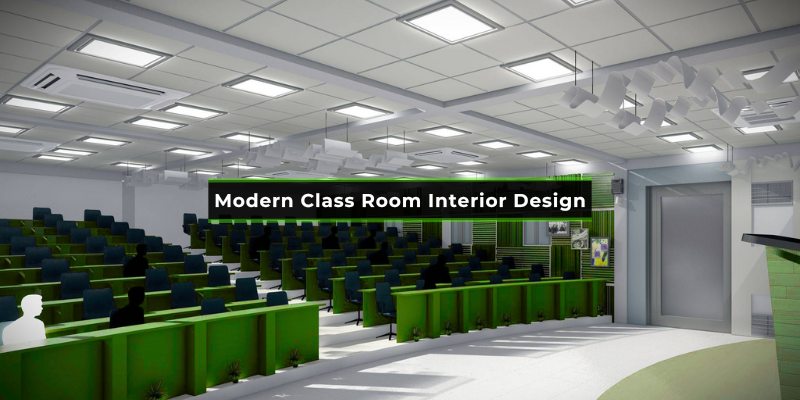
Imagine walking into a classroom that instantly sparks your curiosity and fuels your desire to learn. The walls are alive with color, the furniture is sleek and adaptable, and technology seamlessly integrates into the space.
This is the power of modern classroom interior design. It’s more than just aesthetics; it’s about creating an environment that enhances your learning experience and keeps you engaged. You’ll discover how the right design elements can transform an ordinary classroom into a dynamic hub of creativity and innovation.
Ready to explore the secrets of designing a space that not only captures attention but also boosts your productivity and motivation? Let’s dive into the exciting world of modern classroom interior design and see how it can revolutionize the way you learn.
Trends In Classroom Design
Classrooms today look very different than before. New designs help students learn better.
Teachers and schools use smart ideas to create spaces that fit many needs.
Flexible Seating Options
Flexible seating lets students choose where and how they sit. This helps them focus and feel comfortable.
Bean bags for relaxed seating
Standing desks to stay active
Floor cushions for group work
Adjustable chairs for better posture
Mobile desks that move easily
Use Of Natural Light
Natural light makes classrooms bright and calm. It improves mood and helps students see better.
Benefit | Effect |
Reduces eye strain | Students read without discomfort |
Boosts energy | Students stay alert |
Improves focus | Better learning outcomes |
You may like it: Importance of Natural Lighting in Interior Design
Incorporating Technology
Technology in classrooms supports many learning styles. It allows easy access to information and tools.
Interactive whiteboards for lessons
Tablets for personalized learning
Online resources for research
Projectors to show videos and slides
Charging stations for devices

Color Schemes And Ambiance
The right color scheme shapes the mood in a modern classroom. Colors help students focus and feel comfortable.
Choosing colors that fit the classroom’s purpose improves learning and creativity. Light, balanced tones work best.
You may like it: Importance of Color in Interior Design
Calming Colors For Focus
Soft blues and greens create a calm atmosphere. These colors reduce stress and help students concentrate.
Use these colors on walls or furniture to keep the room peaceful. Avoid bright shades that distract attention.
Bright Colors For Creativity
Yellow and orange inspire energy and creativity. They encourage students to think and share ideas.
Add bright colors in small areas like bulletin boards or chairs. Too much brightness can make the room tiring.
Yellow sparks imagination
Orange boosts enthusiasm
Use bright colors as accents
Balancing Warm And Cool Tones
Warm tones like red and orange bring energy. Cool tones like blue and green calm the mind.
Mixing warm and cool colors keeps the room lively but not overwhelming. Balance helps all students feel good.
Use warm tones for active zones
Apply cool tones in quiet areas
Balance colors for overall harmony

Furniture Choices
Choosing the right furniture is key for a modern classroom. Furniture should support learning and comfort.
Good furniture helps students stay focused and teachers manage the space well.
Ergonomic Desks And Chairs
Ergonomic desks and chairs keep students comfortable for long hours. They reduce strain on the back and neck.
Adjustable furniture fits different student sizes. It helps keep good posture and improves concentration.
Height-adjustable desks
Chairs with lumbar support
Footrests for smaller students
Rounded edges for safety
Modular And Mobile Furniture
Modular furniture can change shape to fit different activities. Mobile pieces make the room easy to rearrange.
These types of furniture support group work and active learning. They help teachers create flexible spaces.
Movable desks and chairs
Stackable seating
Foldable tables
Lightweight materials
Storage Solutions
Good storage keeps the classroom neat and organized. Students find supplies quickly and return them easily.
Storage should be easy to access and safe. Use shelves, bins, and lockers that fit the space well.
Open shelves for books and materials
Lockers for personal items
Bins for art supplies
Labelled compartments

Creative Learning Zones
Modern classrooms use creative zones to help students learn better. These spaces support different ways of studying and working.
Designing these zones with care helps teachers and students focus on their tasks. Each zone fits a special learning need.
Collaboration Areas
Collaboration areas bring students together to share ideas and solve problems. These spaces have flexible seating and whiteboards.
Round tables for group work
Writable walls for brainstorming
Comfortable chairs for long discussions
Technology stations for digital projects
Quiet Study Spaces
Quiet study spaces let students focus without distractions. These areas have soft lighting and sound-absorbing materials.
Feature | Purpose |
Individual desks | Private study |
Noise control panels | Reduce sound |
Soft lighting | Comfort eyes |
Hands-on Activity Corners
Hands-on corners let students learn by doing. These areas store tools and materials for creative projects.
Key tools in this zone include:
Art supplies like paints and brushes
Building blocks and kits
Science experiment sets
Crafting materials and scissors

Incorporating Nature
Modern classroom designs include natural elements to improve learning. Nature helps students feel calm and focused.
Adding plants, natural materials, and outdoor spaces creates a healthy and inviting place for students.
Indoor Plants
Indoor plants bring fresh air and color into the classroom. They reduce stress and make the space feel alive.
Simple plants like spider plants or succulents need little care and brighten up desks and shelves.
Improve air quality
Create a calm environment
Teach students about nature
Natural Materials
Using wood, stone, and bamboo adds warmth to the classroom. These materials feel soft and natural to touch.
Natural materials last long and are better for the environment than plastic or metal.
Wooden furniture creates a cozy space
Stone decorations add texture
Bamboo is a sustainable option
Outdoor Learning Spaces
Outdoor spaces let students learn in fresh air and sunshine. Nature inspires creativity and movement.
Gardens, seating areas, and nature trails help teachers use the outdoors for lessons.
Encourage hands-on learning
Provide space for group work
Support physical activity and breaks

Technology Integration
Modern classrooms use technology to help students learn better. It makes lessons more fun and easy to understand.
Teachers and students use many tools to connect and share ideas quickly. These tools improve the classroom experience.
Interactive Whiteboards
Interactive whiteboards let teachers show lessons on a big screen. Students can touch the board to answer questions or draw.
This tool helps make learning more active and fun. Teachers can save notes and share them later with the class.
Touch screen for easy interaction
Connects to computers and tablets
Supports drawing, writing, and videos
Charging Stations
Charging stations keep devices powered during class. Students can charge laptops, tablets, and phones in one place.
These stations help avoid lost learning time. Everyone can use devices without worrying about battery life.
Multiple charging ports for many devices
Safe and organized power supply
Easy to access for students and teachers
Wireless Connectivity
Wireless internet lets students and teachers connect devices without wires. They can share files and access online resources fast.
This connection supports group work and online learning tools. It also reduces clutter in the classroom.
Fast and stable Wi-Fi access
Supports multiple devices at once
Enables cloud-based learning apps

Personalization And Student Input
Modern classrooms focus on making students feel involved. Personalization helps students connect with their space.
Teachers use student input to design rooms that fit learning needs and preferences. This creates a positive environment.
Student-created Decor
Students add personal touches by creating decorations. This shows their creativity and makes the room unique.
Posters made by students
Art projects displayed on walls
Classroom rules designed by the group
Seasonal decorations crafted by students
Flexible Layouts For Choice
Flexible seating and desks give students choices on where to work. This supports different learning styles.
Layout Type | Benefits |
|---|---|
Clusters | Encourages group work and discussion |
Rows | Supports focused, individual tasks |
Circle | Promotes open class discussions |
Flexible Seating | Allows movement and comfort |
Display Areas For Work
Showcasing student work boosts confidence and pride. Display areas should be easy to update and accessible.
Bulletin boards for artwork
Shelves with student projects
Digital screens showing presentations
Rotating displays to feature new work

Sustainability In Design
Modern classrooms need to be designed with care for the environment. Using sustainable ideas helps save resources and protects nature.
Sustainability in classroom design means choosing materials and systems that reduce waste and energy use. It creates a healthy space for students.
Eco-friendly Materials
Eco-friendly materials come from natural or recycled sources. They have low impact on the earth and are safe for students.
Examples include bamboo, recycled wood, and low-VOC paints. These materials reduce pollution and last a long time.
Bamboo furniture
Recycled metal fixtures
Low-VOC (volatile organic compounds) paints
Natural fiber carpets
Reclaimed wood panels
Energy Efficiency
Energy efficiency lowers the amount of power classrooms need. It helps cut costs and reduces pollution.
Good lighting and smart heating systems save energy. Using natural light and LED bulbs makes rooms brighter and greener.
Install LED lights
Use large windows for daylight
Apply smart thermostats
Use energy-efficient appliances
Recycling And Waste Reduction
Recycling reduces trash and saves materials. Classrooms can use bins to sort paper, plastic, and metal waste.
Reducing waste means using less disposable items. Choosing reusable supplies helps keep the environment clean.
Place recycling bins in classrooms
Use reusable containers and bottles
Choose digital tools over paper when possible
Encourage students to reduce waste

Frequently Asked Questions
What Are Key Features Of Modern Classroom Interior Design?
Modern classrooms use flexible seating, bright colors, and smart lighting for better learning.
How Does Lighting Affect Classroom Design And Learning?
Good lighting reduces eye strain and keeps students alert and focused.
Why Is Flexible Seating Important In Modern Classrooms?
Flexible seating allows students to move and choose comfort, improving engagement.
What Role Does Technology Play In Classroom Interior Design?
Technology integration supports interactive lessons and easy access to digital resources.
How Can Color Choices Impact A Classroom’s Atmosphere?
Colors influence mood; calm tones help focus, while bright colors boost energy.
Conclusion
Modern classroom interior design shapes how students learn and grow. Bright colors and flexible seating create a welcoming space. Technology fits naturally into these well-planned rooms. Good lighting and open areas help students focus. Simple, clean designs reduce distractions and boost attention.
Every detail supports comfort and learning. Schools benefit by creating spaces that inspire curiosity. Students enjoy coming to class and feel ready to learn. A thoughtful classroom design makes teaching easier too. Small changes can lead to big improvements in education.