
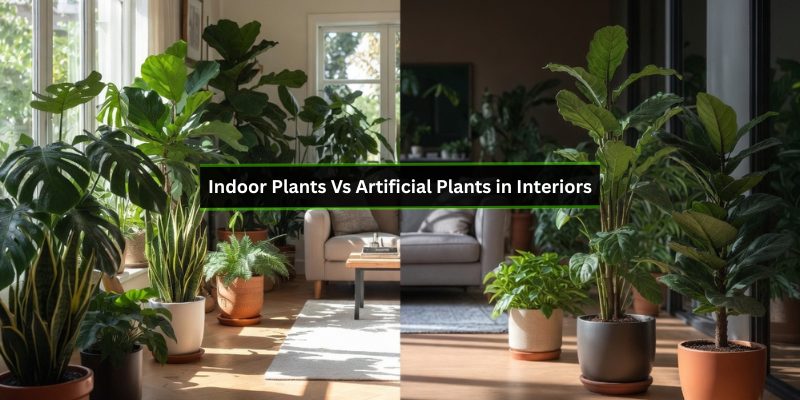
Are you thinking about adding some greenery to your space but can’t decide between indoor plants and artificial ones? You’re not alone.
Choosing the right type of plant for your interiors can change the entire mood of your room. Imagine the fresh, natural vibe real plants bring or the easy-care beauty of artificial ones. Which option fits your lifestyle and style best?
Keep reading to discover the surprising benefits and hidden drawbacks of both, so you can make the perfect choice for your home or office. Your space deserves the best—and we’re here to help you find it.
Benefits Of Indoor Plants
Indoor plants bring many benefits to homes and offices. They make spaces feel fresh and lively.
People choose between real plants and artificial ones. Real indoor plants offer unique health advantages.
Air Purification
Indoor plants clean the air by removing harmful toxins. They absorb carbon dioxide and release oxygen.
Plants like spider plants and snake plants improve air quality. This helps reduce allergies and breathing problems.
- Absorb pollutants like formaldehyde and benzene
- Increase oxygen levels in the room
- Reduce dust and airborne microbes
Boosting Mood And Productivity
Having indoor plants makes people feel happier and calmer. They reduce stress and improve focus.
Plants create a relaxing atmosphere. This helps increase work productivity and creativity.
- Lower stress levels and anxiety
- Improve concentration and memory
- Enhance overall mood and well-being
Natural Aesthetic Appeal
Indoor plants add natural beauty to any room. They bring colors and textures that artificial plants lack.
Plants create a cozy and inviting space. They complement different interior styles easily.
- Bring freshness and life to rooms
- Match with many decor themes
- Change appearance with seasons and growth
Advantages Of Artificial Plants
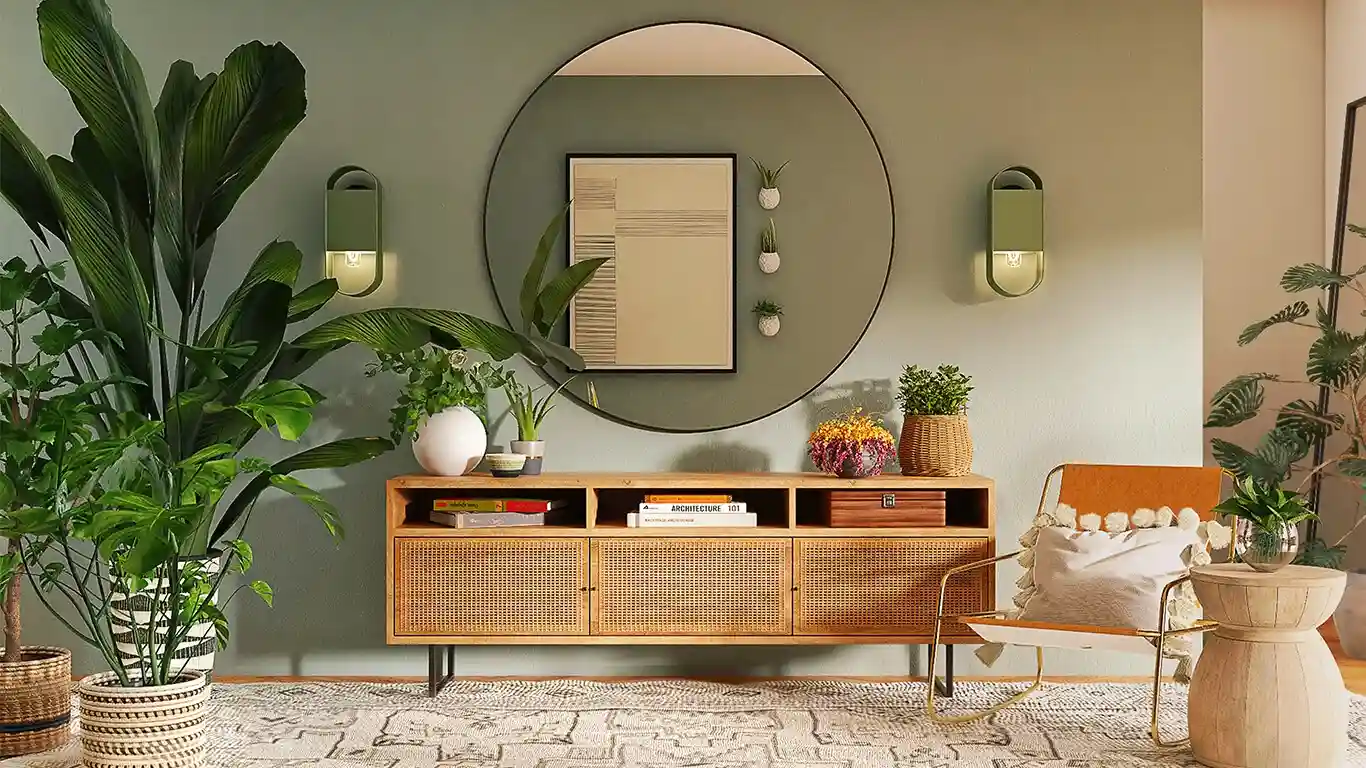
Artificial plants are popular for home and office decoration. They look good without the need for care.
These plants offer many benefits compared to real indoor plants. They can be a smart choice for many spaces.
Low Maintenance
Artificial plants do not need watering or sunlight. They keep their shape and color all year.
There is no need to prune or feed them. This saves time and effort in caring for plants.
Allergy-free Option
Fake plants do not produce pollen or spores. They are safe for people with allergies.
They help keep indoor air clean without causing sneezing or irritation. This suits sensitive individuals well.
Durability And Longevity
Artificial plants last a long time without fading or wilting. They stay fresh and bright for years.
They can be placed in any location, even where real plants cannot survive. This makes them very flexible.
Cost Comparison
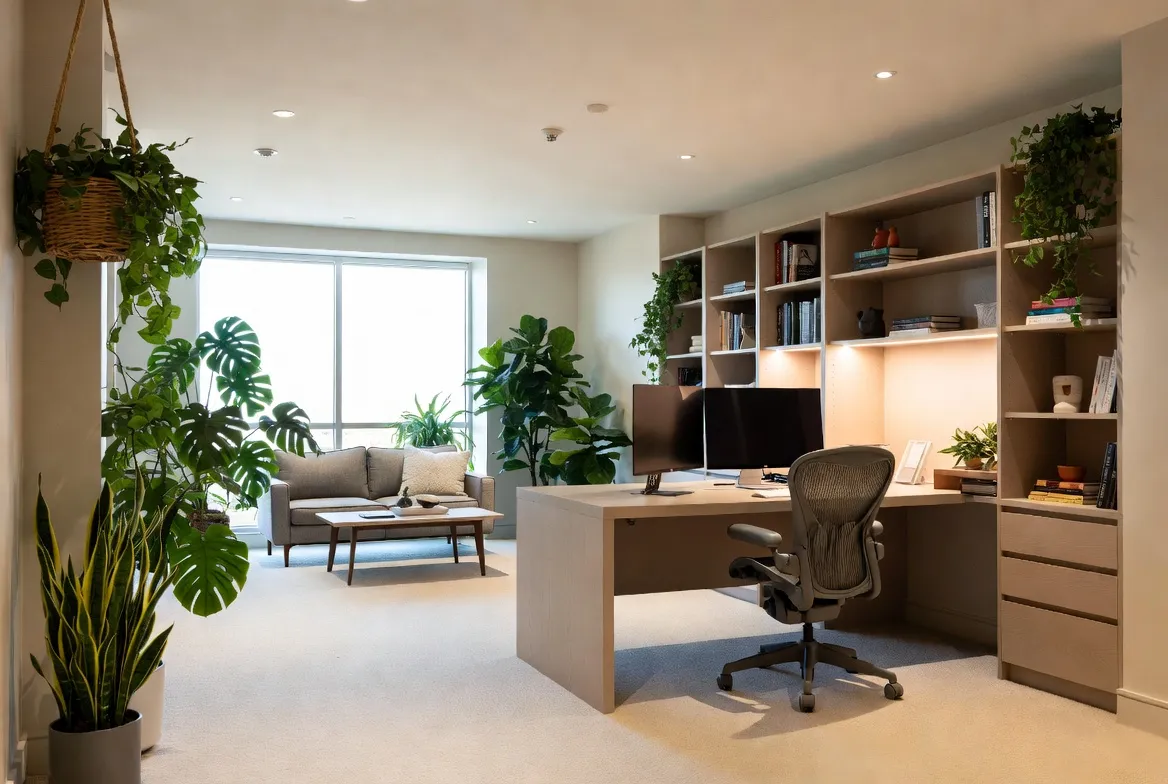
Choosing between indoor plants and artificial plants affects your budget. Both types have costs that vary over time.
Understanding these costs helps you decide which option fits your financial plan better.
Initial Investment
Indoor plants usually cost less to buy at first. Prices depend on the plant size and type.
Artificial plants often cost more upfront. They are made from materials like plastic or silk.
- Indoor plants: lower purchase price
- Artificial plants: higher purchase price
Long-term Expenses
Indoor plants need ongoing care. You spend money on water, soil, pots, and fertilizer.
Artificial plants do not need care but may need cleaning and replacement after some years.
Cost Type | Indoor Plants | Artificial Plants |
Water | Required | Not required |
Soil & Fertilizer | Required | Not required |
Cleaning | Minimal | Needed occasionally |
Replacement | Can grow for years | May replace every 5-10 years |
Design Flexibility
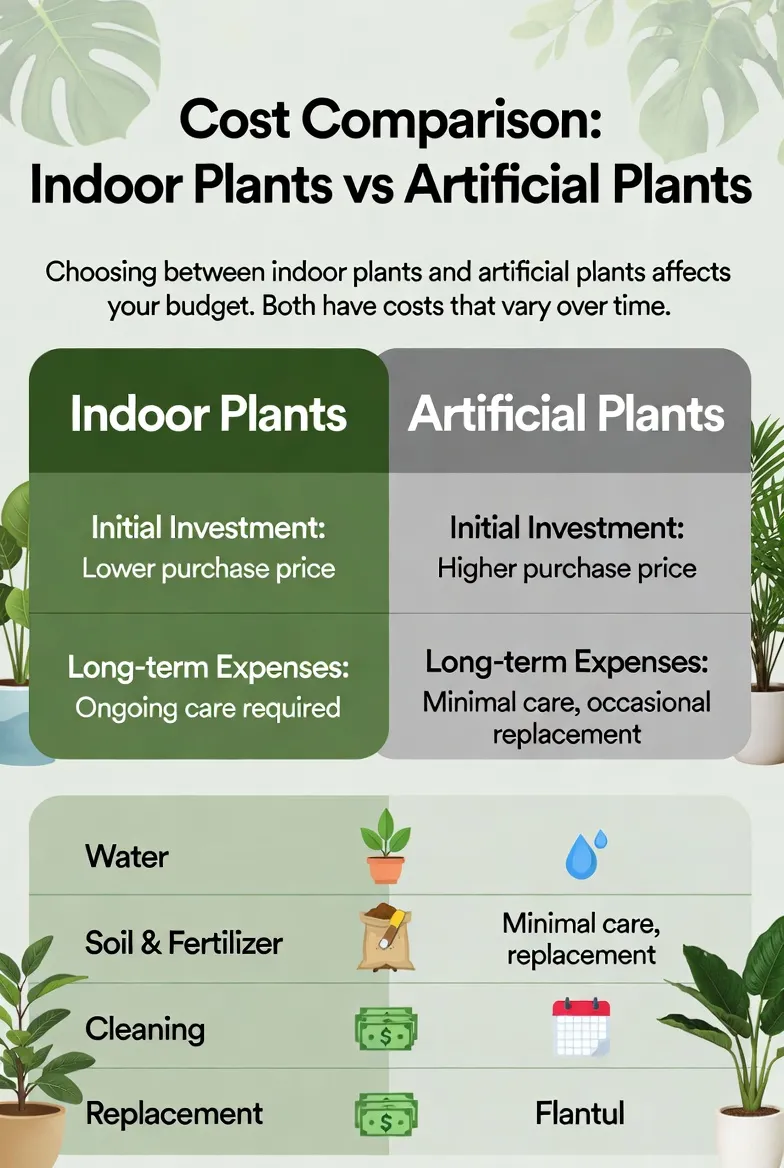
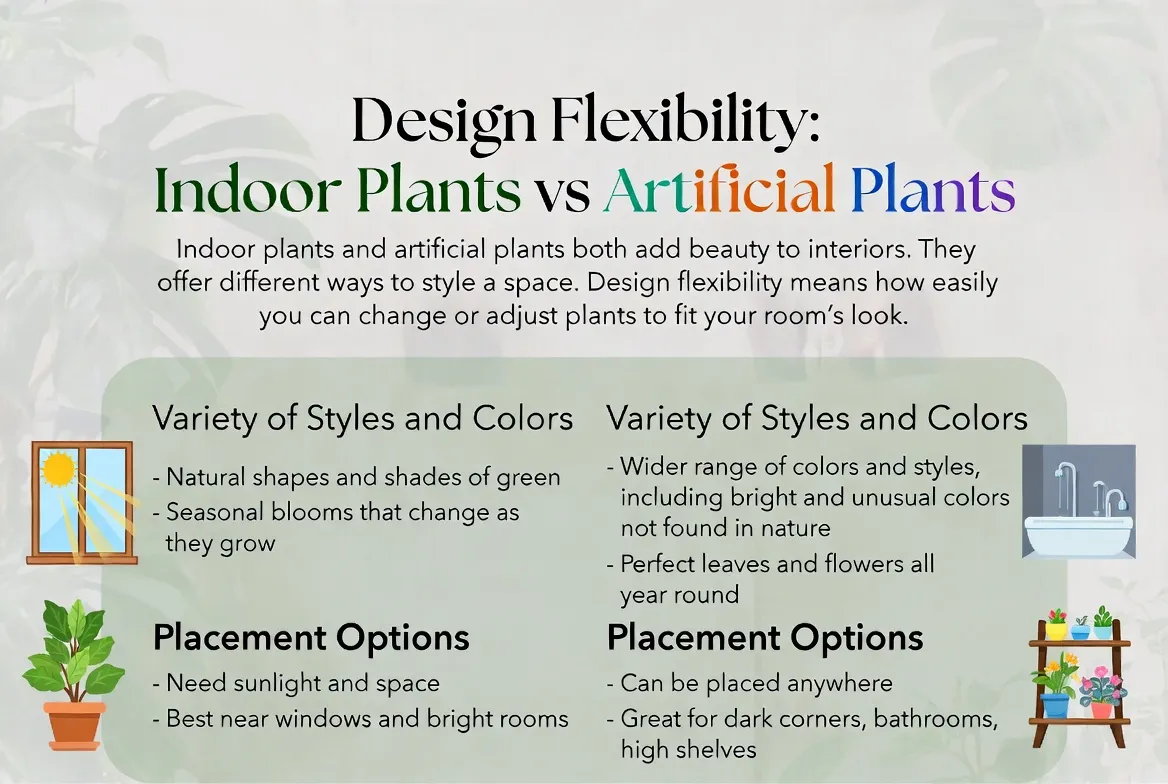
Indoor plants and artificial plants both add beauty to interiors. They offer different ways to style a space.
Design flexibility means how easily you can change or adjust plants to fit your room’s look.
Variety Of Styles And Colors
Indoor plants come in many natural shapes and shades. They bring real green and fresh colors.
Artificial plants have a wider range of colors and styles. You can find plants in colors real ones don’t have.
- Indoor plants offer natural greens and seasonal blooms
- Artificial plants come in bright, unusual colors
- Artificial styles include perfect leaves and flowers all year
- Indoor plants change as they grow and bloom
Placement Options
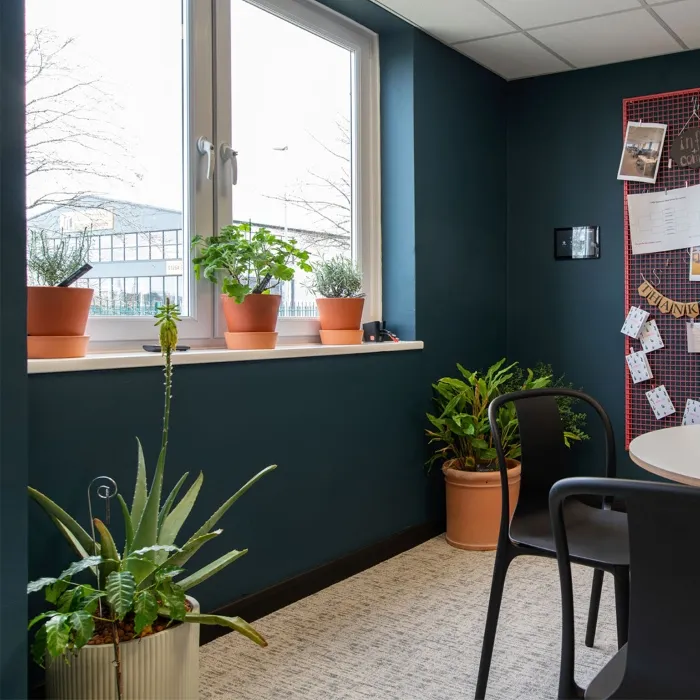
Indoor plants need light and space to grow. They work well near windows or in bright rooms.
Artificial plants can be placed anywhere. They do not need sunlight or water.
- Indoor plants fit best in sunny spots
- They require careful placement for watering and care
- Artificial plants can go in dark corners or bathrooms
- They can be used in high places or small spaces without worry
Environmental Impact
Indoor plants and artificial plants both change how rooms look. They also affect the environment in different ways.
We will look at the environmental effects of live plants and artificial plants in homes and offices.
Sustainability Of Live Plants
Live plants help clean the air by absorbing carbon dioxide and releasing oxygen. They also support small bugs and microbes.
Growing live plants uses water and soil. But they can be grown in small spaces and reused for a long time with care.
- Absorb carbon dioxide and produce oxygen
- Support indoor air quality
- Require water and soil for growth
- Can be reused and grown over years
Manufacturing And Disposal Of Artificial Plants
Artificial plants are made from plastic and other synthetic materials. Making them uses energy and creates pollution.
These plants do not clean air. They last long but are hard to recycle and often end up in landfills.
- Made from plastic and synthetic materials
- Production uses energy and causes pollution
- Do not improve indoor air quality
- Difficult to recycle and dispose of
Maintenance And Care
Indoor plants and artificial plants both add beauty to your home. They need different care to keep them looking good.
Knowing how to care for each type helps you choose the best option for your space and lifestyle.
Watering And Pruning Needs
Indoor plants need regular watering to stay alive. Some plants need more water than others.
Pruning helps indoor plants grow healthy. You must remove dead leaves and trim overgrown branches.
- Check soil moisture before watering
- Use clean water at room temperature
- Remove yellow or brown leaves
- Trim plants to keep shape and size
- Adjust care based on plant type
Cleaning Artificial Plants
Artificial plants do not need water or pruning. They need cleaning to stay dust-free and fresh-looking.
Regular dusting and washing keep artificial plants bright and attractive. Use gentle methods to avoid damage.
- Dust leaves with a soft cloth or feather duster
- Wash plants with mild soap and water if very dirty
- Use a soft brush for hard-to-reach spots
- Let plants dry completely before placing them back
- Avoid harsh chemicals that may fade colors
Health Considerations
Choosing between indoor plants and artificial plants affects your home’s health. Both types influence air quality and personal well-being.
Understanding their health impacts helps you make a better choice for your living space.
Allergens And Toxins
Real indoor plants can improve air quality by removing toxins. Some plants release pollen or spores that may cause allergies.
Artificial plants do not produce pollen but can collect dust and mold. Dust buildup may trigger allergic reactions in sensitive people.
- Real plants clean air but may cause pollen allergies
- Artificial plants do not create pollen
- Dust on artificial plants can trigger allergies
- Some real plants may be toxic to pets and children
Psychological Effects
Indoor plants boost mood and reduce stress by connecting you with nature. They add life and color that can improve focus.
Artificial plants offer visual decoration but lack natural scents and air benefits. They may not provide the same calming effects as live plants.
- Real plants improve mood and reduce stress
- They create a natural, calming atmosphere
- Artificial plants add color but no natural scent
- Live plants may help increase focus and creativity
Best Uses For Each Option
Indoor plants and artificial plants both add style to rooms. They each fit different needs and spaces.
Choosing the right type depends on light, care, and the room’s purpose.
Ideal Spaces For Indoor Plants
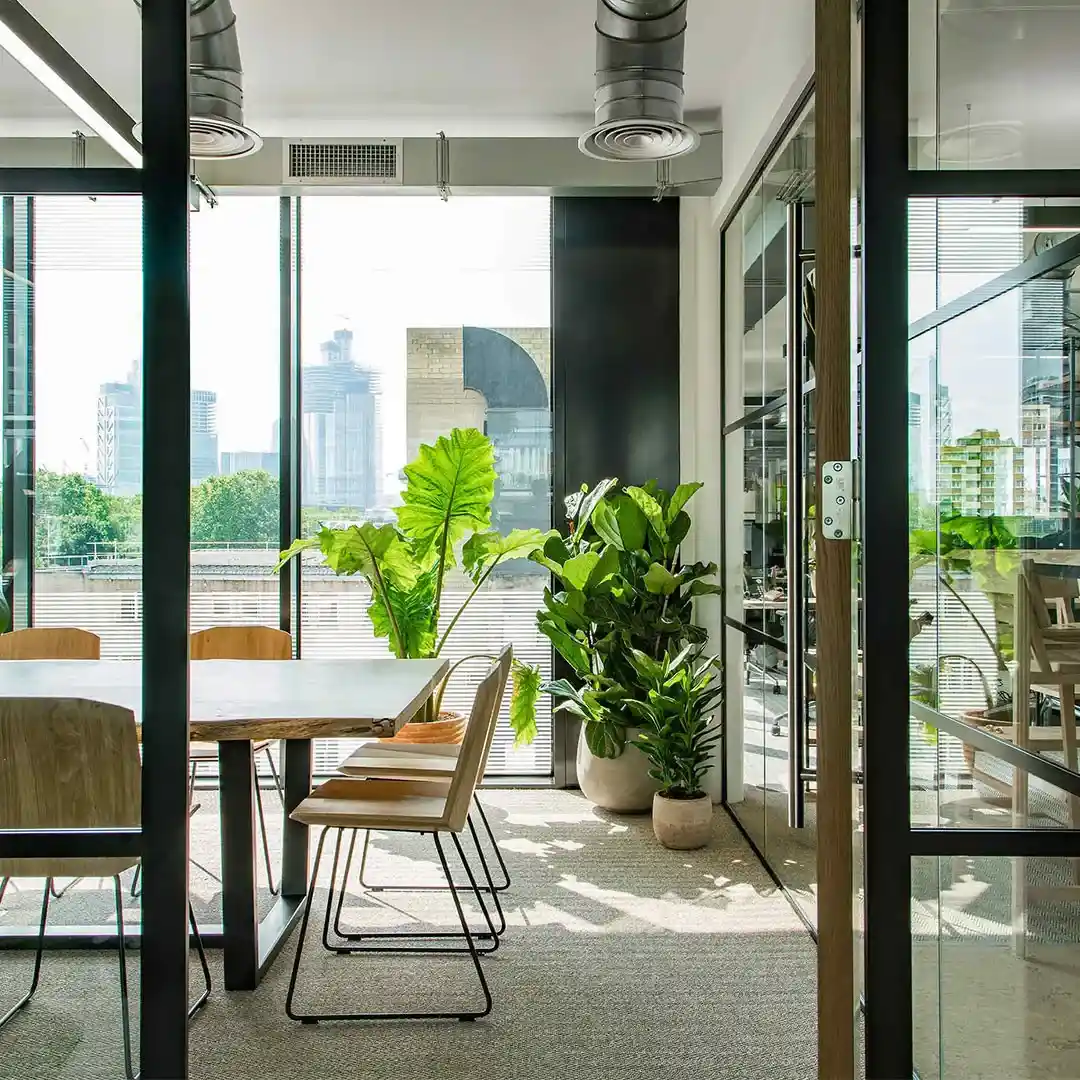
Indoor plants thrive in rooms with natural light. They bring fresh air and life to these spaces.
Living rooms, kitchens, and offices with windows are great for real plants.
- Near sunny windows
- Rooms with good air flow
- Spaces where watering is easy
- Areas needing natural decoration
Perfect Settings For Artificial Plants
Artificial plants fit well in spaces with low light or little care. They look good all year.
They work well in bathrooms, basements, and busy offices where real plants may not survive.
- Rooms with no natural sunlight
- Places hard to water plants
- Busy spaces with little time for care
- Areas needing low-maintenance decor
Frequently Asked Questions
What Are The Main Benefits Of Indoor Plants In Interiors?
Indoor plants improve air quality, reduce stress, and add natural beauty to rooms.
How Do Artificial Plants Compare To Indoor Plants In Maintenance?
Artificial plants need no watering or sunlight and require only occasional dusting.
Can Indoor Plants Improve Indoor Air Quality Effectively?
Yes, many indoor plants absorb toxins and increase oxygen, making air fresher.
Are Artificial Plants Suitable For All Interior Design Styles?
Artificial plants come in many styles and fit well in almost any space.
Which Option Is Better For Homes With Low Natural Light?
Artificial plants thrive without sunlight, while many indoor plants may struggle or die.
Conclusion
Choosing between indoor and artificial plants depends on personal taste. Indoor plants bring life and purify air. They need care and attention. Artificial plants offer a hassle-free option. They look good and last long without maintenance. Both options add charm to interiors.
Consider your lifestyle and preferences. Decide what suits your space best. Whether real or artificial, plants enhance the home. They create a peaceful and inviting atmosphere. Enjoy your green space.
Related post
Pharmacy Interior Design in Bangladesh: Transform Your Space Today
Imagine walking into a pharmacy that instantly makes you feel better. It’s not just the medicine that provides relief; it's the...

Landscape Design in Bangladesh: Transforming Spaces Beautifully
Landscape design in Bangladesh blends nature with art. It transforms spaces beautifully. Bangladesh is a land of rich greenery...

Interior Design Checklist: Ultimate Guide to Perfect Spaces
Interior design can transform your space into a dream home. But where do you start? An interior design checklist helps you plan...

Small Restaurant Interior Design Checklist: Must-Have Essentials
Designing a small restaurant can be a challenge. Space is limited, so every detail matters. Creating the right ambiance is...