
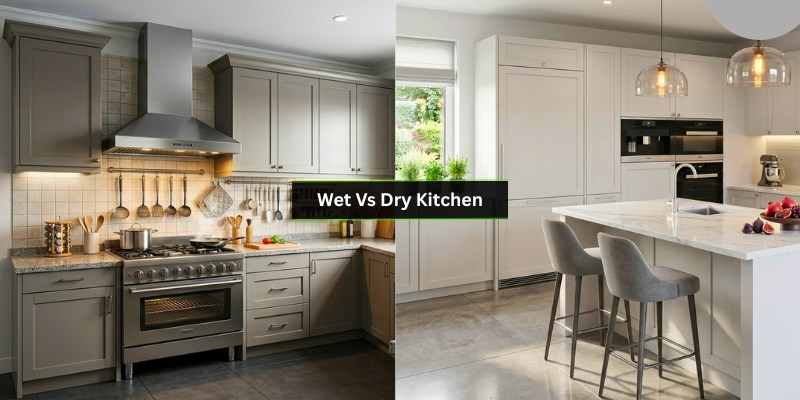
Are you confused about choosing between a wet kitchen and a dry kitchen for your home? You’re not alone.
Your kitchen is more than just a place to cook—it’s where flavors come alive and memories are made. But picking the right type can change how you enjoy your cooking space every day. What if you could discover which kitchen style suits your lifestyle best?
Keep reading, and you’ll find clear answers that make your decision easier and your kitchen experience better.
Wet Kitchen Basics
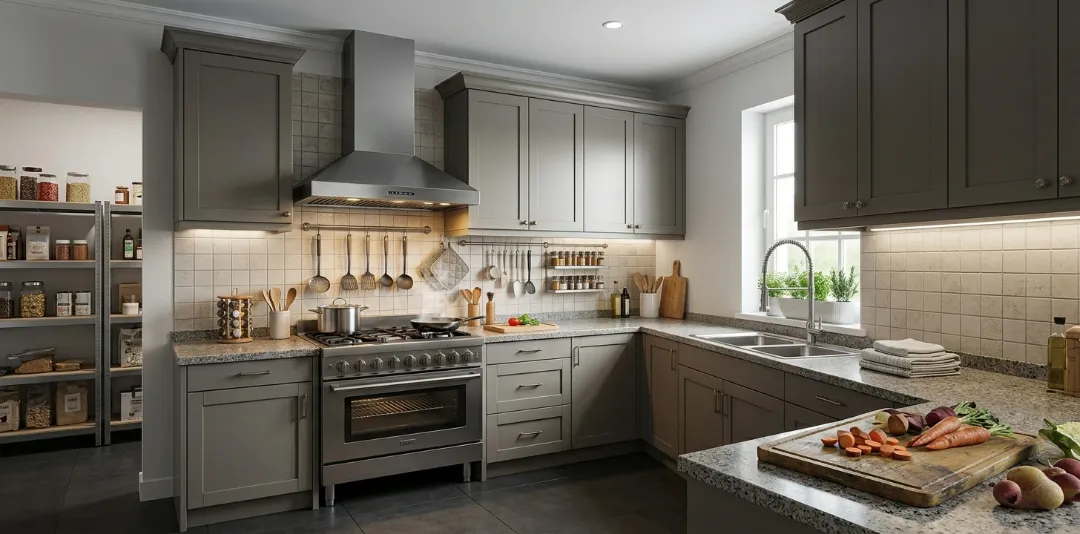
Wet kitchens are separate cooking areas designed for heavy cooking. They help keep the home clean and reduce odors.
These kitchens are common in many Asian homes. They allow for frying, boiling, and washing in one place.
Purpose And Function
The wet kitchen is where messy cooking tasks happen. It keeps strong smells and smoke away from the main living areas.
It is used for preparing food that needs water, oil, and heavy cleaning. This helps keep the dry kitchen clean and tidy.
Typical Features
Wet kitchens have special features to handle water and heat. They often include strong ventilation systems.
- Deep sinks for washing dishes and vegetables
- Gas stoves or heavy-duty cooktops
- Waterproof surfaces and floors
- Good lighting and exhaust fans
- Easy-to-clean countertops
Common Materials Used
Materials in wet kitchens resist water, heat, and stains. They help keep the area clean and durable.
- Stainless steel for sinks and countertops
- Ceramic or porcelain tiles for walls and floors
- Water-resistant laminates for cabinets
- Tempered glass for splashbacks
- Non-slip flooring materials
Dry Kitchen Essentials
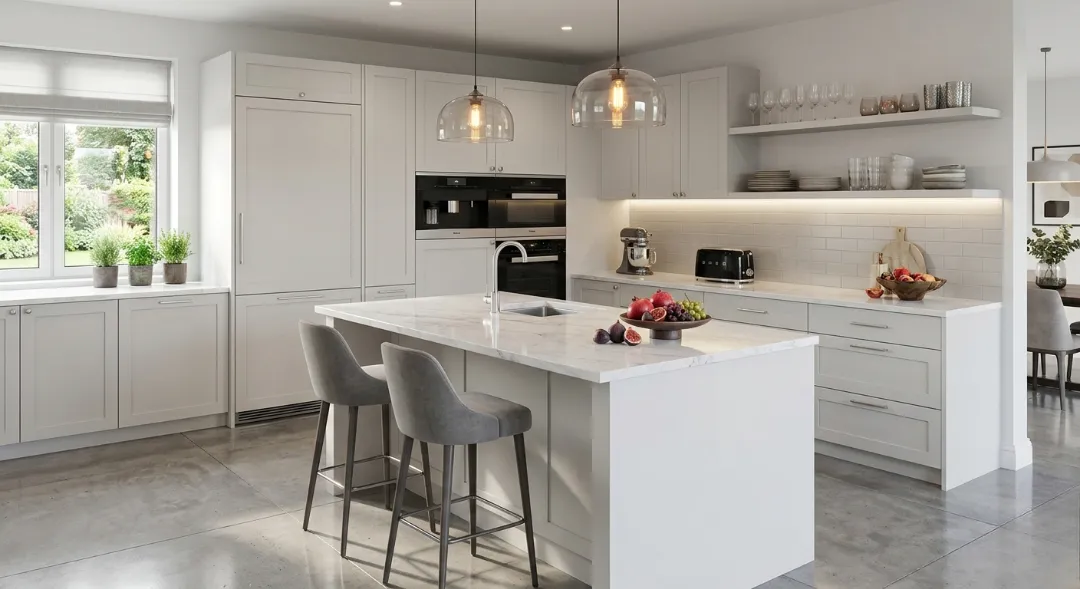
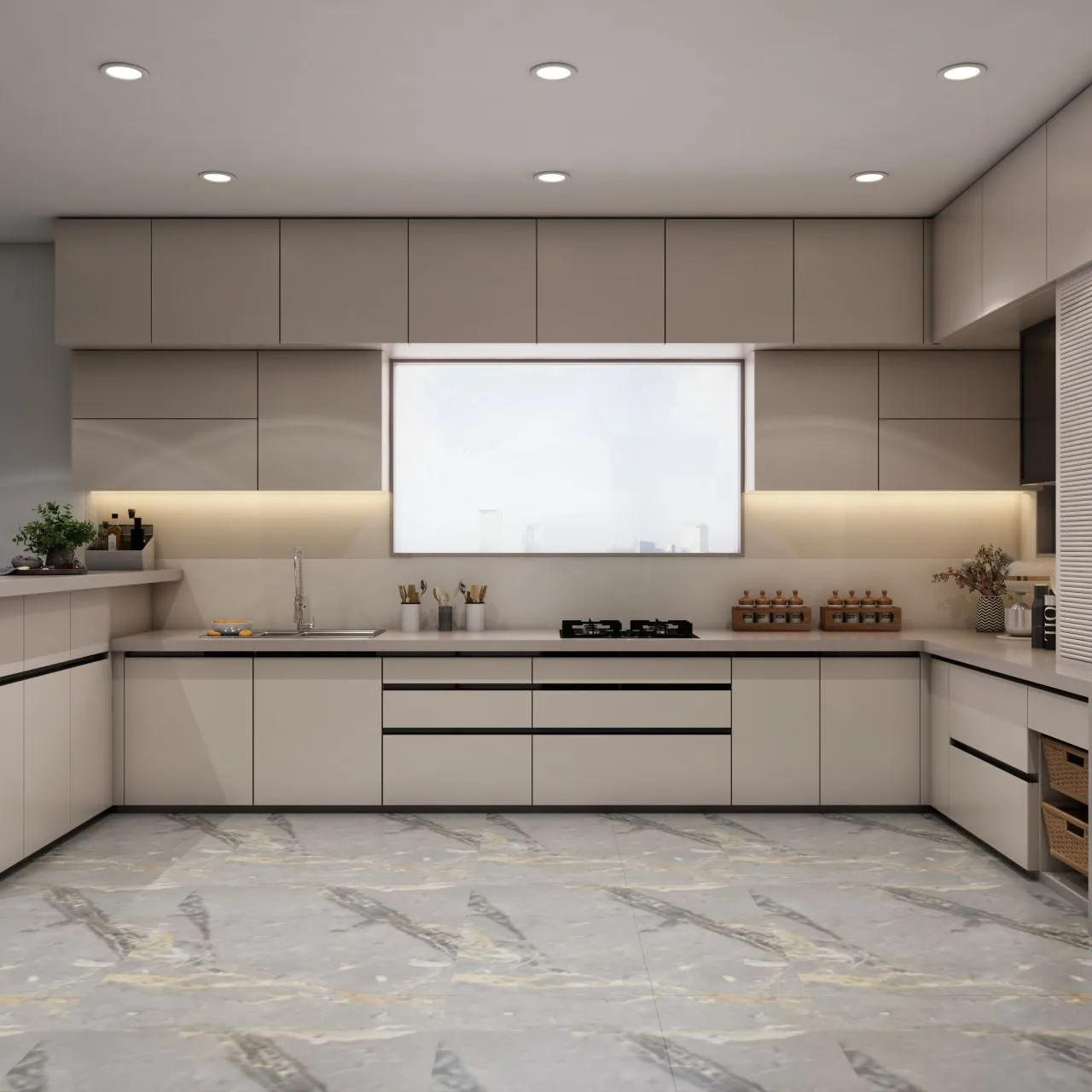
A dry kitchen is a space for light cooking and food preparation. It is usually clean and neat, separate from the wet kitchen where heavy cooking happens.
Dry kitchens focus on style and convenience. They often serve as a social area or a place for quick meals.
Design And Layout
Designing a dry kitchen means making it open and easy to use. It should connect well with dining or living spaces.
Good layout helps movement and keeps the area tidy. Counters are clear for prep and serving.
- Open-plan layouts for social interaction
- Compact space with enough counter area
- Easy access to dining and pantry
Popular Appliances
Dry kitchens use appliances that support light cooking and convenience. They keep the space clean and functional.
Common appliances include coffee makers, microwaves, and toasters. These help with quick meal prep and drinks.
- Microwave ovens for reheating food
- Coffee machines for fresh brews
- Toasters and sandwich makers
- Blenders for smoothies and shakes
- Compact refrigerators for snacks
Material Choices
Materials in a dry kitchen should look good and be easy to clean. They must handle light use well.
Popular materials include wood, glass, and stone. These create a stylish and durable space.
- Wood cabinets for a warm, natural look
- Quartz or granite countertops for durability
- Glass backsplashes for easy cleaning
- Matte finishes to reduce fingerprints
- Stainless steel for appliances and fixtures
Key Differences
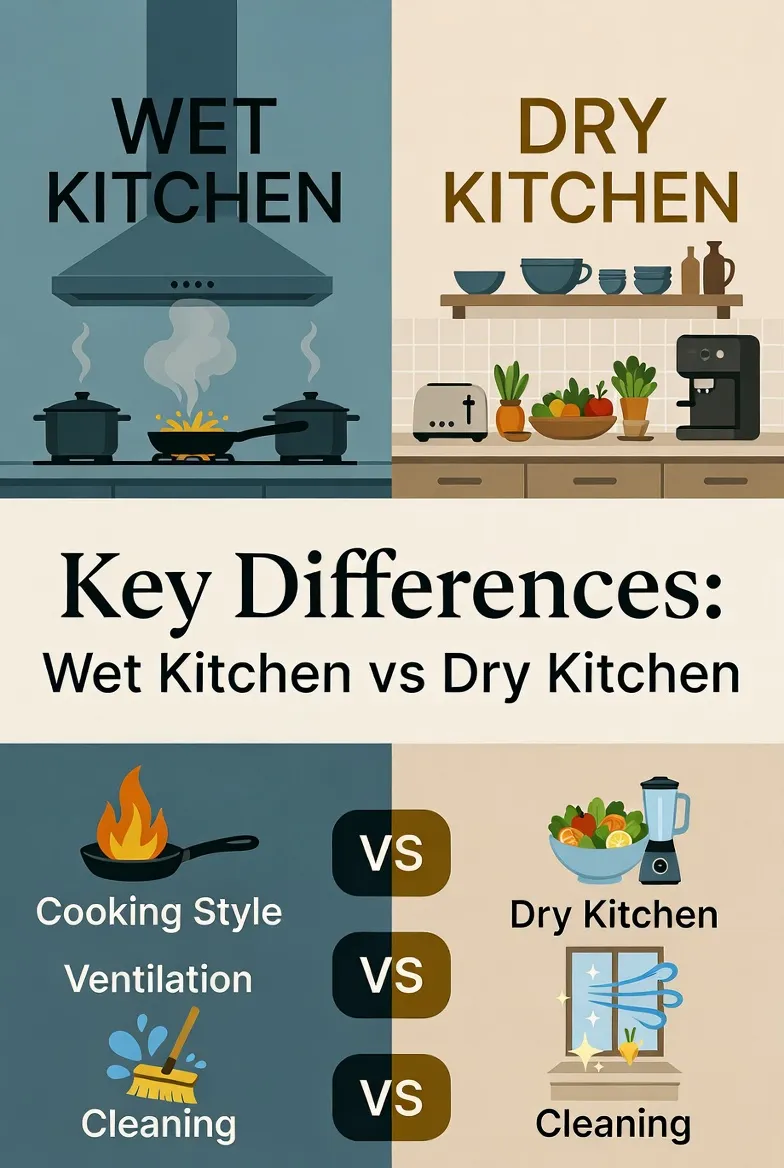
Wet kitchens and dry kitchens serve different purposes in a home. They differ in design, use, and maintenance needs.
Understanding their key differences helps in choosing the right kitchen setup for your home.
Cooking Style Impact
Wet kitchens are for heavy cooking like frying and boiling. They handle strong smells and smoke well.
Dry kitchens are for light cooking and food preparation. They focus on baking, making snacks, and serving food.
- Wet kitchens support oil-heavy cooking styles.
- Dry kitchens suit quick and clean cooking tasks.
- Wet kitchens often have more water sources.
- Dry kitchens are usually more open and stylish.
Ventilation And Odor Control
Wet kitchens need strong ventilation to remove smoke and odors. They often have exhaust fans and windows.
Dry kitchens have less smoke and smell. Ventilation is simpler and less intense.
- Wet kitchens use heavy-duty exhaust systems.
- Dry kitchens rely on natural airflow or small vents.
- Wet kitchens keep smells from spreading to living areas.
- Dry kitchens have fewer odor problems.
Cleaning And Maintenance
Wet kitchens get dirtier due to grease and water splashes. They need regular deep cleaning.
Dry kitchens stay cleaner with less mess. Maintenance is easier and less frequent.
- Wet kitchens require waterproof surfaces.
- Dry kitchens use materials that focus on style.
- Wet kitchens need frequent cleaning of vents and walls.
- Dry kitchens need light cleaning of counters and appliances.
Advantages Of Wet Kitchens
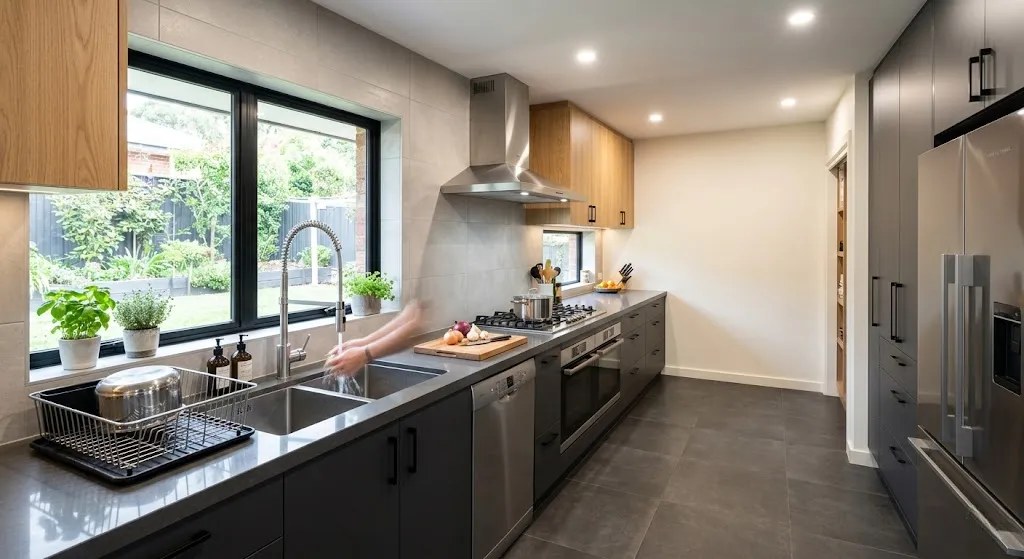
Wet kitchens are separate cooking areas designed for heavy cooking tasks. They keep the main kitchen clean and organized.
These kitchens handle wet and messy cooking, making the overall kitchen space more functional and safer.
Handling Heavy Cooking
Wet kitchens allow cooking with strong smells and smoke without affecting other areas. They are ideal for frying and boiling.
They keep the main kitchen free from oil splashes and food stains, making cleaning easier.
Water Usage And Drainage
Wet kitchens have better water supply and drainage systems. This makes washing vegetables and cleaning utensils easier.
The area is designed to handle spills and water flow without damaging other parts of the home.
- Strong water taps and hoses
- Proper drainage to avoid water build-up
- Waterproof surfaces to prevent damage
Safety Considerations
Wet kitchens reduce fire risks by separating heavy cooking from living areas. This keeps the home safer.
They also lower the chance of slips and falls by managing wet floors better.
- Separate ventilation for smoke and steam
- Non-slip flooring materials
- Easy access to water for emergencies
Advantages Of Dry Kitchens
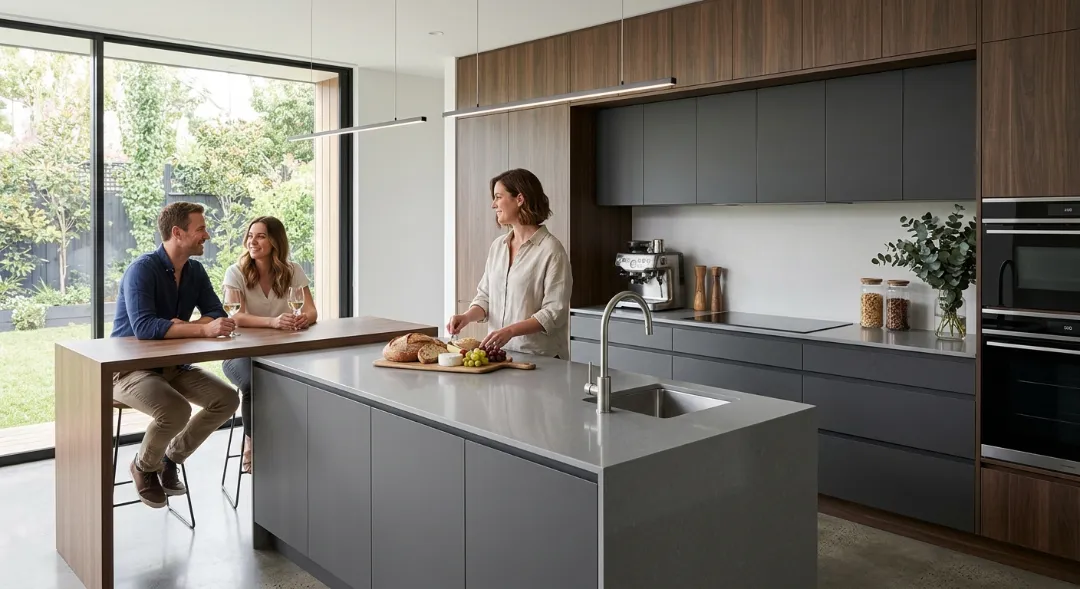
Dry kitchens offer a clean and organized space for cooking and food preparation. They keep the cooking area separate from messy tasks like washing dishes.
This separation helps maintain a neat environment and improves the overall kitchen experience.
Aesthetic Appeal
Dry kitchens look modern and stylish. They use sleek surfaces and minimal designs that create a calm space.
Because they stay clean and dry, dry kitchens keep their beauty longer. This makes the room inviting and pleasant to use.
Space Efficiency
Dry kitchens use space smartly by focusing on storage and work areas. They avoid clutter and keep tools organized.
This efficient layout makes cooking easier and faster. It also leaves more room for other kitchen activities.
Entertaining Guests
Dry kitchens make it easy to host guests. The clean space lets you prepare food while staying part of the conversation.
Guests see a tidy kitchen, which adds to a good impression during gatherings and parties.
Choosing Based On Lifestyle
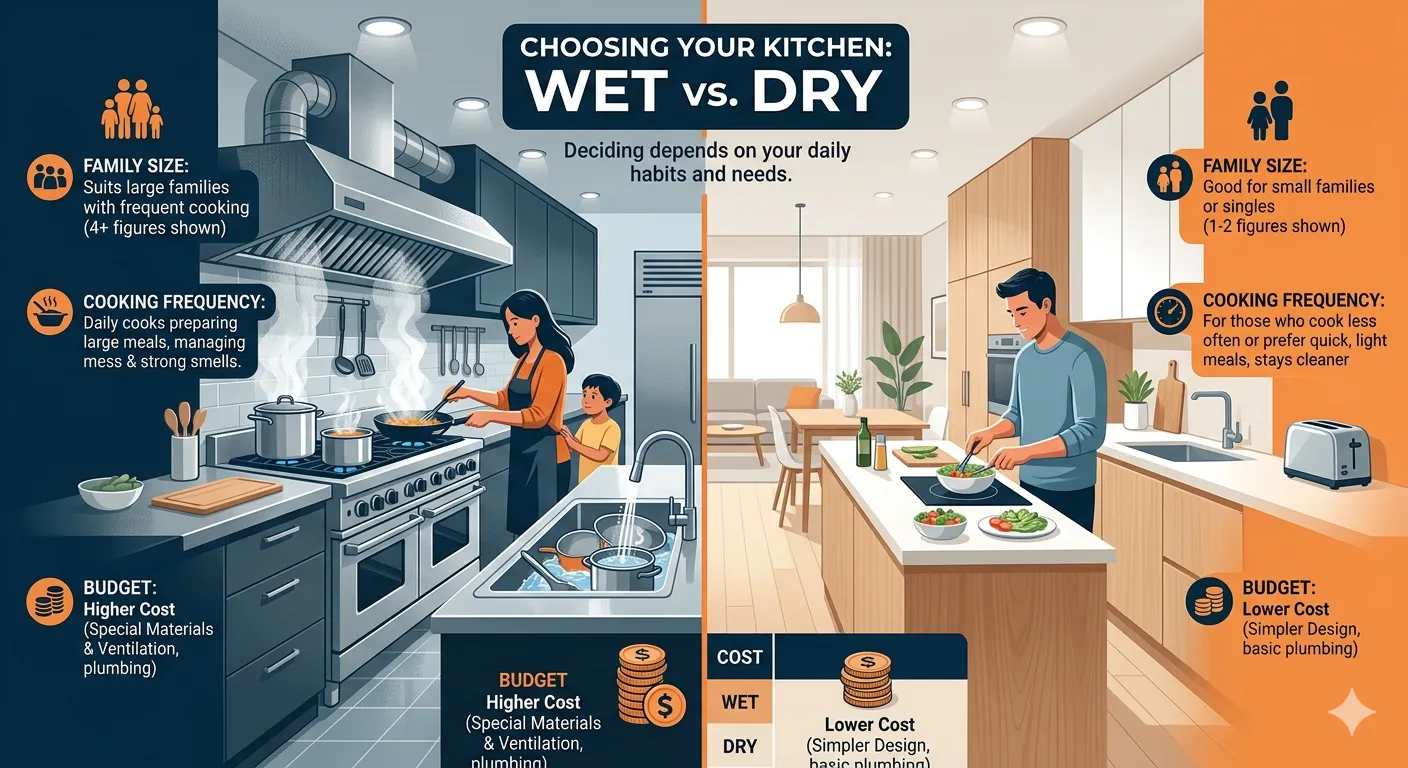
Deciding between a wet or dry kitchen depends on your daily habits and needs. Your lifestyle shapes what kind of kitchen suits you best.
Think about how you use your kitchen and what fits your routine. This helps pick the right kitchen style for your home.
Family Size And Needs
Large families often need more space for cooking and cleaning. A wet kitchen can handle big meals and heavy washing.
Small families or singles may prefer a dry kitchen. It uses less space and stays cleaner with light cooking.
- Wet kitchen suits big families with frequent cooking
- Dry kitchen is good for small families or simple meals
- Consider storage and appliance needs for your family
Cooking Frequency
If you cook daily or prepare large meals, a wet kitchen helps manage mess and strong smells. It keeps the dry kitchen neat.
For those who cook less often or prefer quick meals, a dry kitchen is easier to keep tidy. It works well for light cooking tasks.
- Daily cooks benefit from a wet kitchen for heavy use
- Light or occasional cooks may choose a dry kitchen
- Think about the type of meals you prepare regularly
Budget Considerations
Wet kitchens usually cost more to build and maintain. They need better ventilation and water-resistant materials.
Dry kitchens are simpler and cheaper. They need less plumbing and can fit smaller budgets.
Kitchen Type | Cost Factor | Notes |
Wet Kitchen | Higher | Needs special materials and ventilation |
Dry Kitchen | Lower | Simpler design with basic plumbing |
Combining Wet And Dry Kitchens
Wet and dry kitchens serve different purposes in a home. Combining them can create a more functional space.
This design helps keep cooking and cleaning areas organized and efficient. It suits busy households well.
Dual Kitchen Benefits
Having both wet and dry kitchens lets you cook and prepare food without clutter. It keeps strong smells and mess out of your living areas.
This setup also allows more than one person to work in the kitchen at the same time. It saves time and makes cooking easier.
- Separates messy tasks from light cooking
- Keeps dining areas clean and fresh
- Improves kitchen workflow
- Allows multiple cooks to work comfortably
Design Tips
Place the wet kitchen near a water source for easy plumbing. Use durable materials that resist water and heat.
Keep the dry kitchen open and inviting. Use good lighting and stylish finishes for a welcoming space.
- Choose waterproof cabinets in wet kitchen
- Add strong ventilation in wet kitchen
- Use bright lights in dry kitchen
- Select easy-to-clean surfaces for both
Space Planning
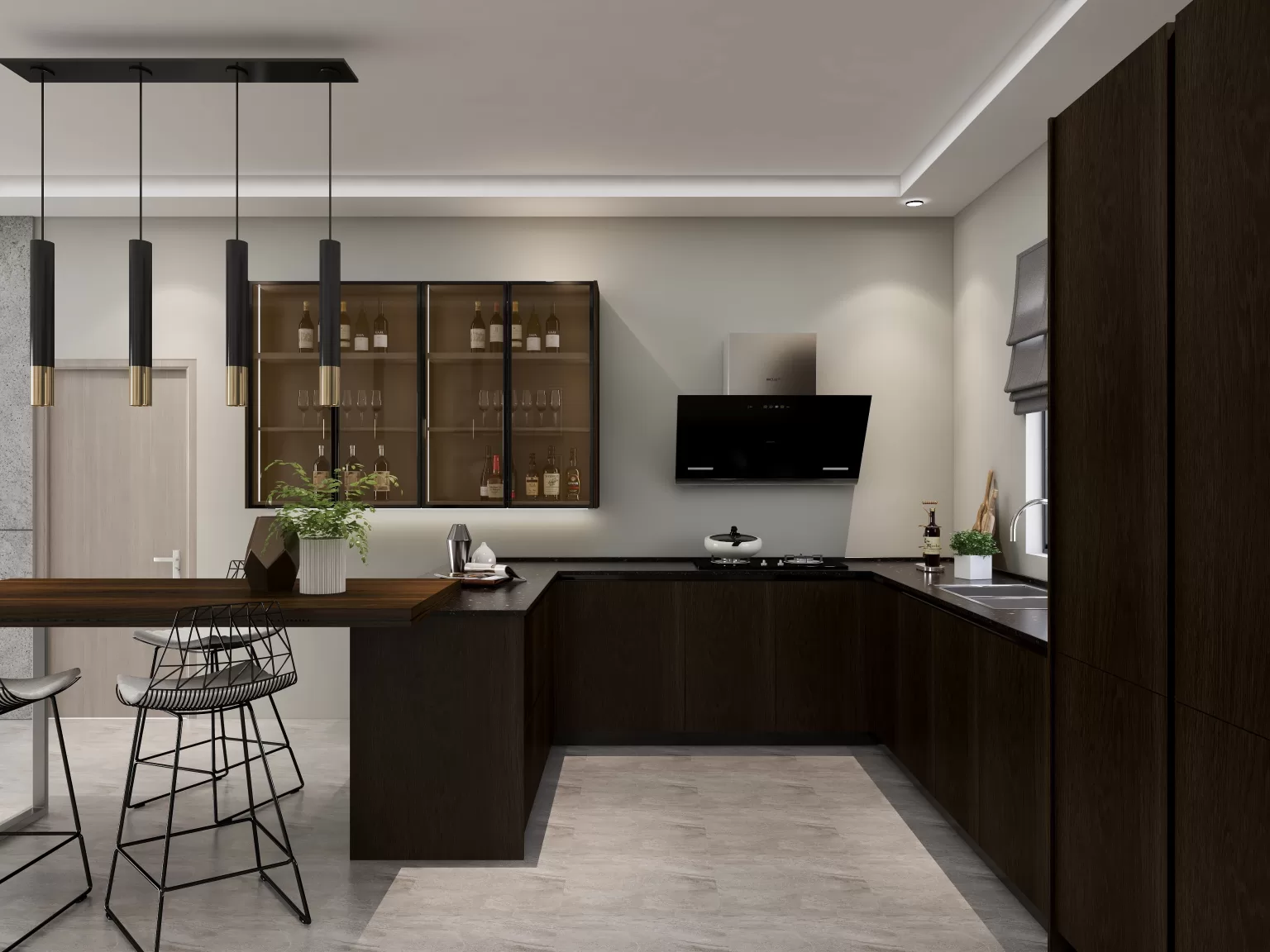
Plan your layout to separate wet and dry areas clearly. Make sure there is enough room to move between them.
Consider placing storage and appliances to support both kitchens. Keep common tools easy to reach from both sides.
- Keep wet kitchen near sink and stove
- Place dry kitchen near dining area
- Use a counter or island to separate zones
- Ensure good lighting in both areas
Trends And Innovations
Wet and dry kitchens are becoming popular in modern homes. They help keep cooking clean and organized.
New trends and ideas are changing how these kitchens look and work. Let’s explore some key innovations.
Modern Materials
Modern kitchens use strong and easy-to-clean materials. These materials help wet and dry kitchens stay neat.
Popular choices include quartz, stainless steel, and engineered wood. They resist water and heat well.
- Quartz countertops for durability and shine
- Stainless steel sinks and appliances for wet areas
- Engineered wood cabinets that resist moisture
- Matte finishes that hide fingerprints and stains
Smart Kitchen Technology
Smart devices make kitchens easier to use and keep clean. They fit well in wet and dry kitchen designs.
Touchless faucets and smart ovens save time and reduce mess. Lighting systems adjust to different cooking needs.
- Touchless faucets reduce water splash and germs
- Smart ovens with preset cooking modes
- Voice-controlled lighting for better visibility
- Automatic ventilation systems for wet kitchens
Sustainable Choices
Many homes choose eco-friendly materials and appliances. This helps reduce waste in wet and dry kitchens.
Energy-efficient appliances and recycled materials are common. They lower bills and protect the environment.
- Energy Star rated refrigerators and dishwashers
- Recycled glass or wood for countertops
- Low-flow faucets to save water
- LED lighting to reduce electricity use
Frequently Asked Questions
What Is The Main Difference Between Wet And Dry Kitchens?
Wet kitchens are for heavy cooking and washing; dry kitchens are for light cooking and serving.
Which Kitchen Type Is Better For Small Homes?
Dry kitchens save space and look neat; wet kitchens need more room and ventilation.
Can Wet And Dry Kitchens Be Combined In One House?
Yes, many homes use both to separate heavy cooking from casual food prep.
How Does A Wet Kitchen Help With Kitchen Odors?
Wet kitchens keep strong smells and smoke away from living areas, improving home comfort.
What Materials Are Best For Wet And Dry Kitchen Surfaces?
Waterproof, easy-to-clean materials suit wet kitchens; stylish, durable surfaces work well in dry kitchens.
Conclusion
Choosing between a wet and dry kitchen depends on your needs. Wet kitchens handle heavy cooking. Perfect for frying and boiling. Dry kitchens suit lighter tasks. Like making sandwiches or salads. Think about your cooking habits. Also, consider your kitchen space.
A combination might work best. Some prefer the convenience of both. It’s all about what fits your lifestyle. Each type has its benefits. Make a choice that suits your daily routine. A kitchen that simplifies your cooking. That’s the best choice for you.
Related Post
Modular Kitchen Vs Custom Kitchen: Ultimate Guide to Choose Right
Are you planning to upgrade your kitchen but feeling stuck between choosing a modular kitchen or a custom kitchen? Your kitchen is the heart of your home, and making the right choice can change the way you cook, entertain, and live every day. Imagine a space that fits...
9 Trending Rustic Kitchen Design Ideas: Stunning Styles to Try Now
Are you ready to transform your kitchen into a warm and inviting space that feels like home? Rustic kitchen designs are more popular than ever, and for good reason. They bring comfort, charm, and a timeless beauty that makes every meal feel special. You’ll discover 9...

What Is An L-Shaped Kitchen? Ultimate Guide to Stylish Layouts
Are you thinking about redesigning your kitchen but feel overwhelmed by all the layout options? An L-shaped kitchen might be exactly what you need. This design is simple, practical, and can make your cooking space feel larger and more open. Whether you love to cook,...

What is U Shaped Kitchen? Ultimate Guide to Stylish Efficiency
Are you dreaming of a kitchen that’s both stylish and super practical? A U Shaped Kitchen might be exactly what you need. This design wraps your workspace around you, creating a cozy, efficient area where everything feels within reach. Imagine cooking without having...
Kitchen Interior Design Checklist: Ultimate Guide for a Stylish Space
Do you dream of transforming your kitchen into a stylish and functional space? If you're looking to revamp your kitchen interior design, you're in the right place. A well-designed kitchen not only enhances the beauty of your home but also boosts its functionality....
Restaurant Kitchen Interior Design: Modern & Functional Solutions
Imagine walking into a restaurant where the aroma of delicious food is perfectly complemented by a stunning kitchen interior. You’re not just there for the food; you’re there for an experience that begins the moment you step inside. Have you ever wondered why some...

Best Flooring Options for Kitchen Interior Design
Choosing the right kitchen flooring can transform your space. It plays a vital role in the overall design and functionality. Your kitchen is the heart of your home. It’s where meals are prepared, and families gather. The flooring you choose needs to withstand spills,...

Best 8 Different Types Of Kitchen Layouts—Design Ideas & Tips
The kitchen is the heart of the home. It’s where meals are made and memories created. Different kitchen layouts can impact how you cook and interact in this space. Choosing the right layout is essential for functionality and aesthetics. Some layouts maximize space,...

10 Best Kitchen Color Combinations for a Stunning & Modern Look
A beautiful kitchen can transform your home. The right color combination adds charm and personality. Choosing the perfect colors for your kitchen can be overwhelming. With so many options, finding the best combination can be challenging. But don’t worry, we've got you...

Top kitchen Interior Design Trends – Inspiration & Ideas
The kitchen is the heart of the home. It's where meals and memories are made. Keeping up with kitchen interior design trends 2026 can transform this vital space. In today's fast-paced world, kitchen design trends change rapidly. Homeowners seek both style and function...